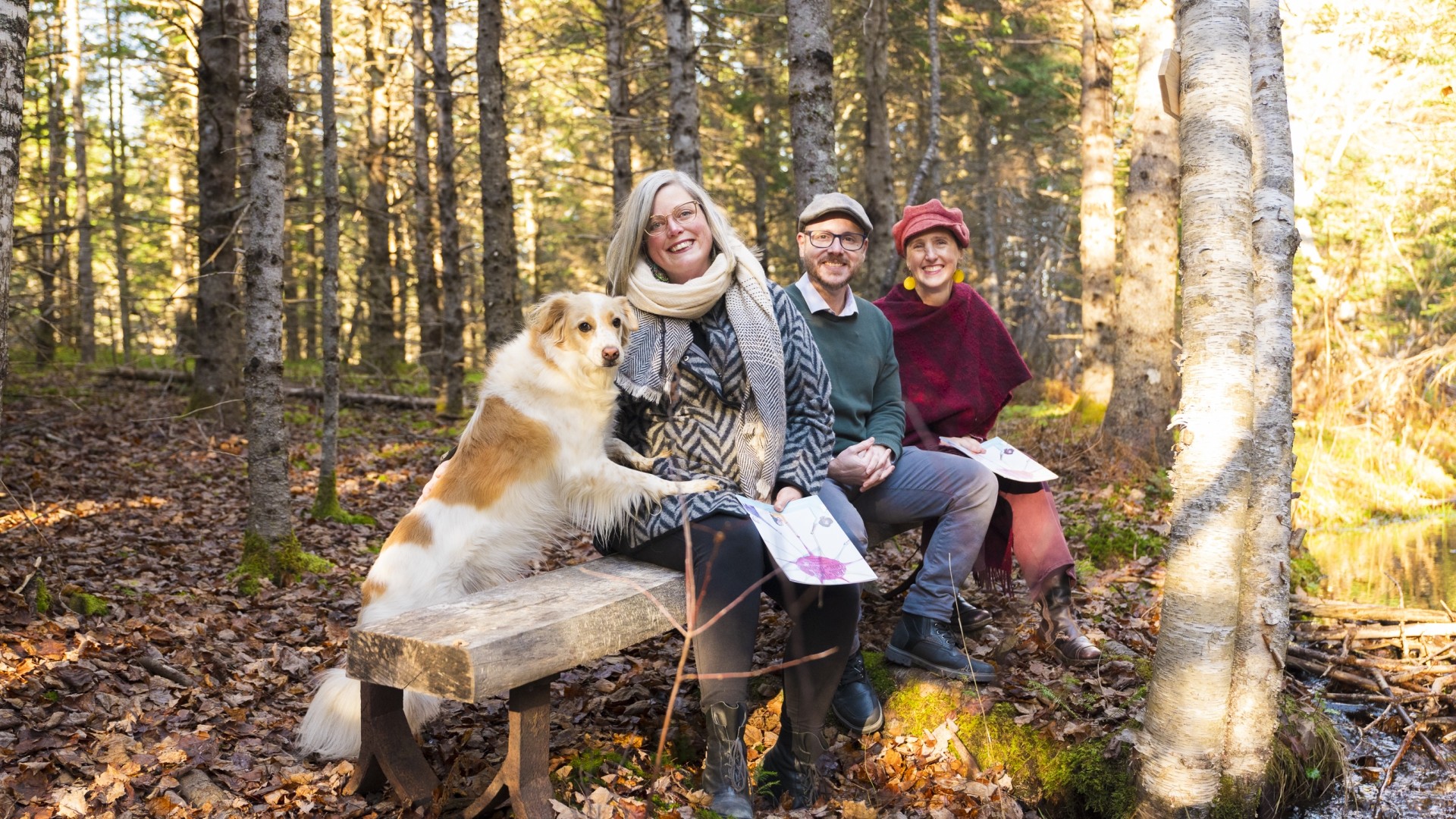
Campus to Community: Sharing stories from our ongoing connections
St. Francis Xavier University doesn't stop at the edge of campus. Campus to Community is an ongoing series highlighting the deep ties between StFX and the communities it serves. We’re shining a light on these relationships--from research labs and global outreach, to service and shared purpose--and how they help shape and strengthen both. To see the full series, please see HERE.
Reducing burnout for community caretakers: university, community researchers produce resource guide
Jennifer DeCoste, founder of FireLoch Gathering Place and Retreat, knows what burnout feels like. When it caught up to her, she was having conversations with other caretakers, and she realized many were going through the same thing. She wanted to help.
That question of what she could do led her to partner with Amy Sedgwick, a private-practice occupational therapist with a background in community development and wellness. They secured funding from a private donor to create a six-month pilot program for community caretakers, beginning with a retreat, continuing through a peer-support group, and ending with a final gathering.
Wanting to learn with participants and build knowledge together throughout the program, they approached Dr. Wellington Sousa, then working at the Coady Institute at St. Francis Xavier University. Dr. Sousa, now an assistant professor in StFX’s Department of Adult Education, worked with Ms. DeCoste and Ms. Sedgwick to co-design a research project. Together, they successfully applied for funding through the Change Lab Action Research Initiative (CLARI), which supports university-community partnerships.
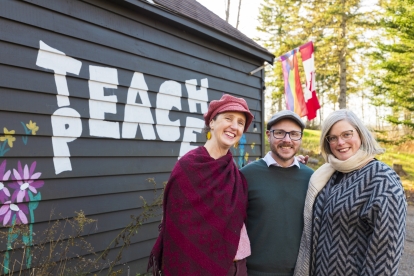
That partnership has since produced a community resource guide that shares what community caretakers have found helpful in supporting their wellbeing and navigating burnout. It draws on the experiences of caretakers themselves.
“How do we support the people who are supporting others?” Ms. Sedgwick says was the thinking behind the project.
RESEARCH WITH, NOT ON, THE COMMUNITY
The research work, which began in 2024, set out to answer three questions: How do community caretakers perceive and define burnout? What are the existing strengths, resources, and supportive networks that have shown the potential to mitigate burnout? And what positive coping mechanisms and resilience-building strategies have emerged within the community to counteract burnout effects?
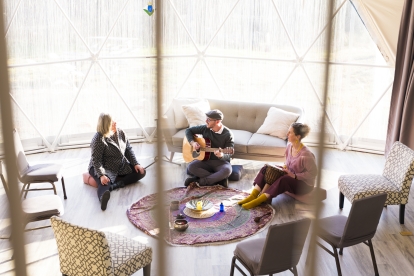
The trio wanted to understand how what they learned through the research could inform the development of sustainable, community-led interventions to reduce burnout among caretakers.
To that end, they invited community caretakers to participate in a six-month pilot program that kicked off with a three-day retreat.
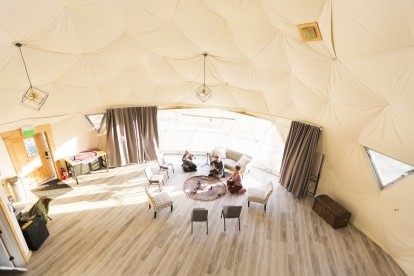
Dr. Sousa understands community-based research as a process through which participants develop skills, learn together, and create knowledge to strengthen their communities. In this project, participants learned from one another through storytelling and helped gather research data by interviewing each other.
“Community, rather than a focus of study, is a research partner,” Dr. Sousa says. “We were using a strengths-based approach to support wellbeing and mitigate burnout. The intent was for community members to be protagonists in the research, creating knowledge and using it to bring about change.”
Dr. Sousa acknowledges the organizational and systemic pressures contributing to burnout while emphasizing the value of starting with existing strengths and developing community-led solutions. “People could so easily focus on the empty part of the glass. That doesn’t always have to be the starting point. When caretakers recognize the knowledge, relationships, and resources they already have, they can build on those strengths and work together to change the conditions contributing to burnout.”
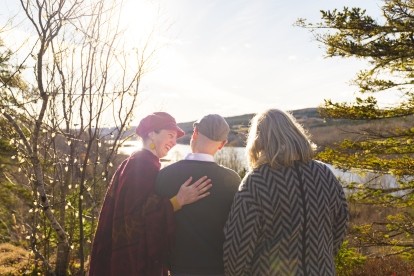
Ms. Sedgwick says the process was also valuable for the participants. “We all got a lot out of the experience and learned from each other. People didn’t feel so alone, and they knew they had a community they could turn to. It created some lasting bonds and led to some fruitful collaborations.”
Through their research, they found that community caretakers often pointed to the relationships and places already in their lives that helped them: friends, faith groups and other social networks, along with connection to nature, personal development and self-care.
Relationships and time in nature were the most frequently mentioned sources of support. Professional and therapeutic support also featured in participants’ accounts. The researchers emphasize that this does not diminish the importance of professional support; it simply widens the picture of what sustains community caretakers day-to-day.
FROM FINDINGS TO ACTION
The team turned what they learned into a guide for the wider community. Dr. Sousa emphasizes that the community resource guide is intended to support reflection and conversation about wellbeing. “We are sharing what caretakers themselves identified as helpful in their lives and communities. The guide does not offer clinical advice or replace professional care. It invites readers to recognize their own strengths and resources as part of the support available to them.”
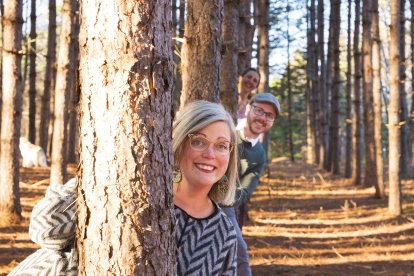
The three partners presented their findings at a regional conference of the Canadian Association for the Study of Adult Education and at its national conference. They also published a paper in the national conference proceedings and hope to publish further articles. Dr. Sousa is now evaluating the latest batch of data to better understand the strengths people use to bounce back.
The work is already growing beyond its original scope. Ms. DeCoste secured a grant to adapt the guide for nurses, and she and Ms. Sedgwick have completed a 100-page manual for that purpose. They're now seeking funding to deliver the program to nurses directly, the next front line they hope to reach.